Office of the Sheriff
Understanding the history, independence and public accountability of America’s elected county sheriffs.

A historical perspective
The live ISA site republishes a historical perspective by Sheriff Roger Scott of DeKalb County, Illinois. It explains how the title and responsibilities of sheriff developed, why the Office of Sheriff is distinct from a typical county department, and why direct accountability to voters matters.
Deep historical roots
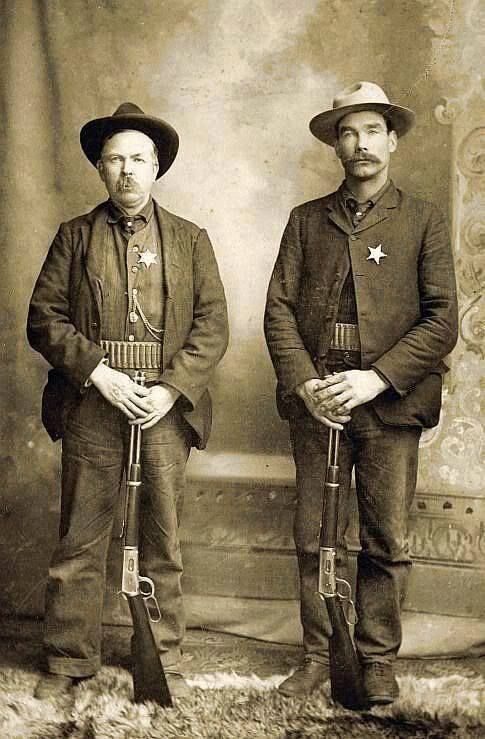
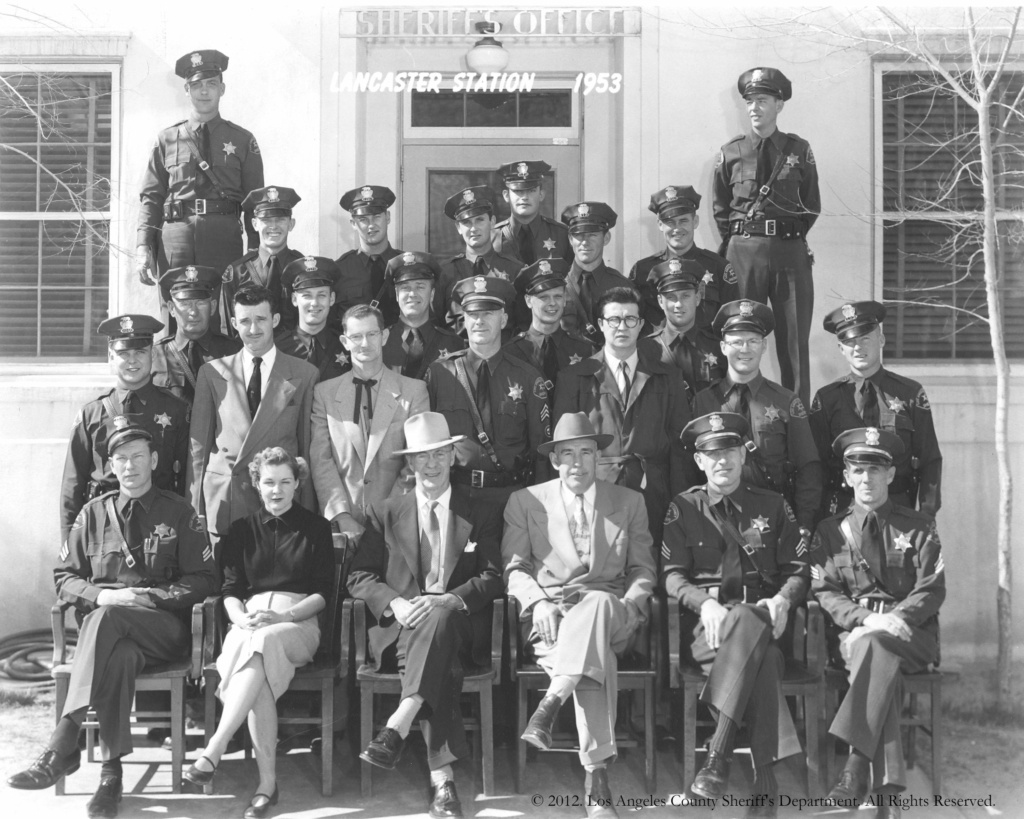
The office predates the United States and continued as American settlement expanded west. By the early republic, states were incorporating the office into their constitutions. Today, the overwhelming majority of sheriffs in the United States are elected.
An independent public trust
The sheriff exercises powers of a public office rather than serving as a department head hired by a small governing body. An elected sheriff is directly accountable to constitutional requirements, state law and the citizens of the county.
Preserving direct accountability
ISA emphasizes that the elected structure keeps the head of the sheriff’s office directly answerable to the people. The historical article urges sheriffs to remember those who served before them, act with integrity, retain responsibility for the office, and fulfill both moral and statutory duties.
Historical context
The article also reviews colorful episodes from frontier history, including the controversial story of Montana Territory Sheriff Henry Plummer, and contrasts examples of misconduct with the much larger tradition of sheriffs serving with courage and distinction.
References noted by the original article
- The American Sheriff by David R. Struckhoff / Roger A. Scott
- National Sheriffs’ Association historical materials
- Justice Research Institute references
- Historical work on the Office of Sheriff and its millennium of tradition
Need help finding the right resource?
The ISA team can connect you with the appropriate county sheriff, program, event, membership resource, or association contact.